
The Importance of Inclusive Sports: Why Inclusive Sports Matter for Everyone
Sports have a unique way of bringing people together. They break down barriers, build friendships, and create a sense of belonging. But for too long, many sports programs have unintentionally excluded people with disabilities. That’s why inclusive sports are so important. They open doors for everyone to participate, compete, and celebrate their achievements side by side. Today, I want to share why inclusive sports matter for everyone and how they can transform communities.
Understanding the Importance of Inclusive Sports
Inclusive sports are designed to welcome people of all abilities. They provide opportunities for individuals with disabilities to engage in physical activity alongside able-bodied participants. This approach benefits everyone involved.
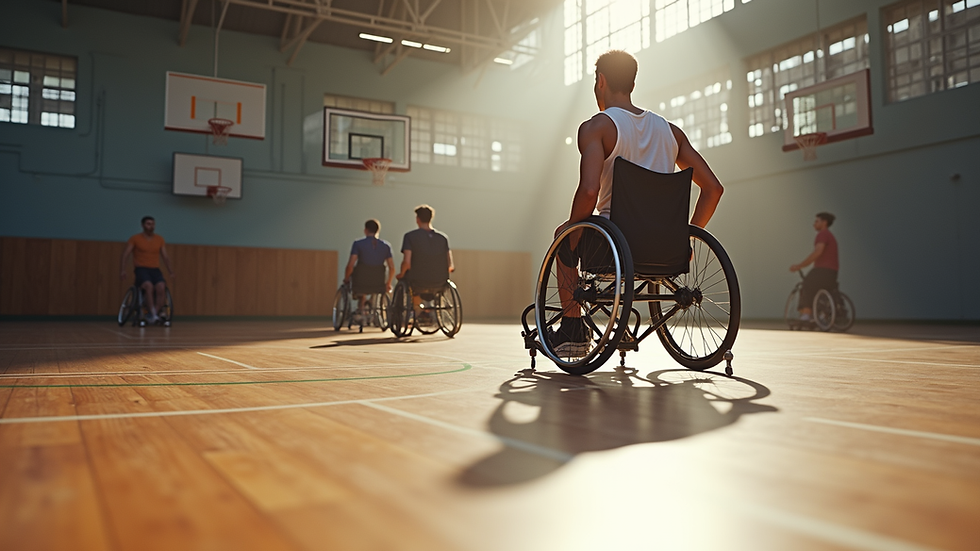
When sports are inclusive, they promote equality and respect. People learn to appreciate different strengths and challenges. For example, a wheelchair basketball game teaches players about teamwork and adaptability in new ways. It’s not just about winning; it’s about sharing the experience and growing together.
Inclusive sports also improve physical and mental health. For people with disabilities, staying active can reduce health risks and boost confidence. For able-bodied participants, it fosters empathy and patience. Together, they create a supportive environment where everyone feels valued.
How Inclusive Sports Build Stronger Communities
When communities embrace inclusive sports, they become stronger and more connected. Sports events that welcome everyone encourage people to come together, cheer, and support one another. This shared enthusiasm builds friendships and breaks down social isolation.
One powerful example is endurance events like marathons or triathlons. These races often include athletes with disabilities alongside able-bodied runners. The energy at the finish line is electric when everyone crosses together. It sends a message that achievement is for all, not just a few.
Volunteers play a crucial role in making inclusive sports possible. They help with logistics, cheer on participants, and provide encouragement. Their involvement creates a ripple effect of kindness and inclusion throughout the community.
If you want to be part of this movement, consider joining an inclusive sports community. These groups offer support, training, and events that welcome everyone. Being part of such a community can change how you see sports and people around you.
Practical Ways to Support Inclusive Sports
Supporting inclusive sports doesn’t require special skills or a lot of time. Here are some simple ways you can help:
Volunteer at local events - Help with setup, registration, or cheering on participants.
Advocate for inclusive programs - Talk to schools, clubs, and local organizations about starting or expanding inclusive sports.
Donate equipment or funds - Many programs need adaptive sports gear or financial support to grow.
Encourage participation - Invite friends or family members with disabilities to join sports activities.
Educate yourself and others - Learn about different disabilities and how sports can be adapted to meet diverse needs.
By taking these steps, you contribute to a culture where everyone feels welcome and empowered.

The Role of Endurance Events in Promoting Inclusion
Endurance events like marathons, triathlons, and cycling races are powerful platforms for inclusion. They challenge participants physically and mentally, but they also celebrate perseverance and community spirit.
For people with disabilities, participating in endurance events can be life-changing. It offers a chance to set goals, train, and achieve something incredible. Crossing the finish line is a moment of pride and joy that everyone deserves to experience.
Organizers of these events are increasingly making accommodations to ensure accessibility. This includes providing guides, adaptive equipment, and tailored race categories. These efforts show that endurance sports are for everyone, regardless of ability.
Being part of an endurance event also raises awareness. Spectators and media coverage highlight the talents and determination of athletes with disabilities. This visibility helps change perceptions and encourages more inclusive attitudes in society.
Creating a Future Where Everyone Can Play
The future of sports should be inclusive by default. That means designing programs, facilities, and events that welcome all participants from the start. It also means fostering a mindset that values diversity and inclusion.
Organizations like myTEAM TRIUMPH CT are leading the way by empowering people with disabilities to participate in endurance events. Their work helps build a more inclusive community where everyone can cross a finish line together.
If you want to help create this future, start by supporting local inclusive sports initiatives. Share stories of athletes with disabilities, volunteer your time, or simply cheer loudly at events. Every action counts.
Together, we can build a world where sports bring out the best in everyone - no matter their abilities.
Inclusive sports are more than just games or races. They are a celebration of human spirit, resilience, and connection. By embracing inclusion, we open up new possibilities for friendship, health, and joy. Let’s keep pushing for a world where everyone has the chance to play, compete, and succeed.


Comments